Wedding Gnome: A Quirky Asset for Modern Design
In a visual landscape saturated with generic wedding imagery, the whimsical charm of a wedding gnome offers a surprisingly powerful tool for designers seeking to inject personality and narrative into their projects. Far from a simple novelty, this motif serves as a versatile creative asset that can anchor a unique brand identity or elevate a specific marketing campaign.
Understanding the Visual Appeal
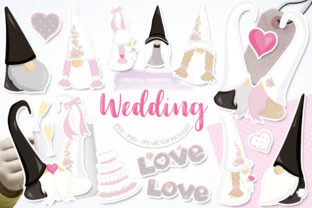
From a graphic design perspective, the wedding gnome is more than a cute illustration; it's a symbol of storytelling. Its inherent character—often depicted with a pointed hat, a bushy beard, and a celebratory pose—provides immediate visual shorthand for themes of joy, tradition with a twist, and personalized celebration. This makes it an excellent focal point for creating a strong visual hierarchy in designs where the goal is to stand out.
Practical Applications in Design Projects
The utility of this character extends across numerous creative projects, enhancing both digital and print design outputs. Its adaptability allows it to fit into various aesthetic frameworks, from rustic and vintage to modern and minimalist, depending on the illustration style.
- Brand Identity & Logo Design: For wedding planners, boutique venues, or specialty florists, a stylized gnome can become the cornerstone of a memorable logo. It instantly communicates a niche, personalized service and sets a brand apart in a competitive market.
- Marketing & Social Media Graphics: Using a gnome character in social media posts, stories, or advertisements adds a layer of engaging whimsy. It can guide the viewer's eye, act as a mascot for a series, or simply break the monotony of standard wedding content, improving user engagement.
- Packaging & Merchandise: On product packaging for wedding favors, invitations, or related merchandise, this motif adds tangible charm. It transforms a simple box or bag into part of the gift experience, enhancing the perceived value and user experience.
- Editorial & Web Design: In a blog layout, a wedding website, or a digital invitation suite, gnome illustrations can serve as delightful section dividers, background textures, or interactive UI elements, contributing to a cohesive and polished aesthetic.
Integrating into Your Design Workflow
When selecting a wedding gnome asset, consistency is key. Ensure the illustration style—whether it's line art, watercolor, or flat vector—aligns with your project's overall color palette and typography. A whimsical, hand-drawn gnome may clash with a sleek, geometric sans-serif font. Evaluate the asset's scalability; it must remain clear and impactful from a small favicon size to a large printed banner.
Consider the composition. A single gnome can serve as a powerful accent, while a repeating pattern creates a lively texture. Think about how the asset interacts with other visual elements like photography or text blocks. Does it support the visual hierarchy or compete with it? The most effective use guides the audience's journey through the content seamlessly.
Choosing Quality Creative Assets
Opt for high-quality, professional design assets. A poorly rendered gnome can undermine the professionalism of an entire project. Look for assets that offer versatility in color and pose, allowing for easy integration into diverse scenarios. This attention to detail in your source material directly translates to the quality of your final design, whether for digital marketing materials, a printed presentation, or UI design mockups.
Ultimately, incorporating a thematic element like a wedding gnome is a strategic design choice. It reflects a deeper understanding of visual communication and a commitment to crafting unique, audience-centric experiences. By thoughtfully selecting and applying such creative assets, designers and creators can significantly enhance the aesthetic appeal and communicative power of their work, turning ordinary projects into memorable visual stories.